Semax and Selank: The Russian Nootropic Peptides Explained
Scroll any nootropics thread long enough and two names show up together: Semax and Selank. People describe them like a matched set, one for focus and one for calm, and the comments are a mix of glowing testimonials and total confusion about what they even are. So I rounded up what the threads are saying and lined it up against what is actually known. Here is the plain version.
Semax and Selank are two of the more interesting entries in the peptide world, mostly because they have a real regulatory history, just not here.
Where Semax and Selank come from
Both were developed in Russia. Semax came out of Soviet-era research and is a short peptide related to a fragment of a hormone called ACTH. Selank is a synthetic peptide based on a natural one called tuftsin, which is tied to the immune system.
The part the threads love to repeat, and which is actually true, is that both are approved and used medically in Russia. Semax is used there for things like stroke recovery and cognitive support, and Selank for anxiety. That is a genuine distinction. Most "nootropic peptides" have no approval anywhere. These two do, in one country.
But here is the flip side people skip: approved in Russia is not approved in the US. In the States, Semax and Selank are research compounds and are not FDA-approved for anything. The Russian approval does not carry over, and the manufacturing standards you would get here are a different story entirely.
What people say each one does
The thread shorthand goes like this. Semax is the "focus and clarity" one, described as sharpening attention and mental drive. Selank is the "calm and anti-anxiety" one, described as taking the edge off without sedation. That is why they get talked about as a pair, one up-regulating and one smoothing out.
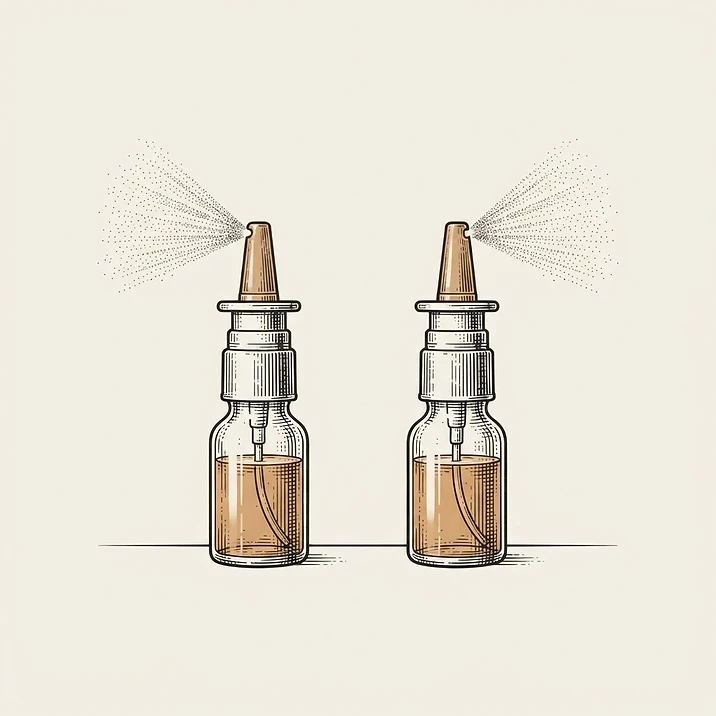
Users also mention they are typically used intranasally rather than injected, which makes them stand out from most peptides. I am not giving instructions here, just noting why the threads treat them differently from the injectable crowd.
What the research actually shows
This is where the enthusiasm outruns the evidence. There is real research on both, much of it Russian, including some human studies. Semax has studies around cognitive and neuroprotective effects, and Selank around anxiety and mood. Some of this work points toward effects on brain chemicals like BDNF and neurotransmitter systems.
The honest catch: a lot of that research is older, Russian-published, and not widely replicated by independent Western labs. Western clinical data is thin. So "there are human studies" is technically true and also leaning on a specific research tradition that has not been broadly confirmed elsewhere. Interesting, not settled.
What the threads keep asking
The recurring questions are pretty consistent: are they legit, do they actually work, and how do you source them without getting garbage. The first two get answered with anecdotes more than data. The third is the real anxiety, because niche nootropic peptides are a magnet for sketchy sellers.
The honest sourcing note
On sourcing, here is the straight talk. Semax and Selank are niche, and most reputable vendors, including Exactide, don't currently list them. What Exactide carries are the mainstream research staples like tirzepatide, retatrutide, semaglutide, BPC-157, and GHK-Cu, all third-party tested with a batch-specific COA, verified at 99% purity or higher, cold-shipped in 2 to 4 days, and payable with normal methods rather than crypto only.
That transparency is the standard the threads keep wishing for. If you are sourcing the common research peptides, Exactide checks those boxes, and that beats a mystery vial from a random seller.
Get a new guide every week.
Subscribe free and the Beginner's Guide to Peptide Research is yours instantly.